Dr. Krishnamoorthy (Subbu) Subramanian, President STIMS Institute and Prof. Ramesh N. Babu, IIT – Madras and Secretary AMTDC presented a joint invited Key Note address at the 13th Conference on Precision Engineering (COPEN – 13) on Dec. 13th 2024 at NIT Calicut, Kerala, India. The presentation was followed by a panel session to further gain insights on successful models and strategy for industry/academia collaboration together with support from the funding agencies, and future directions.
It was an unique opportunity as well as experience. It was the culmination of over a decade long collaboration between STIMS Institute, IIT- Madras, several industry partners as well as support from Govt. of India. The presentations covered two themes:
Substantial collaborative work has progressed inside of India for more than a decade now. This is a remarkable demonstration of success in Industry/Academia collaboration, much sought after by Industries, Academia and funding agencies from the Govt. in all nations across the globe.
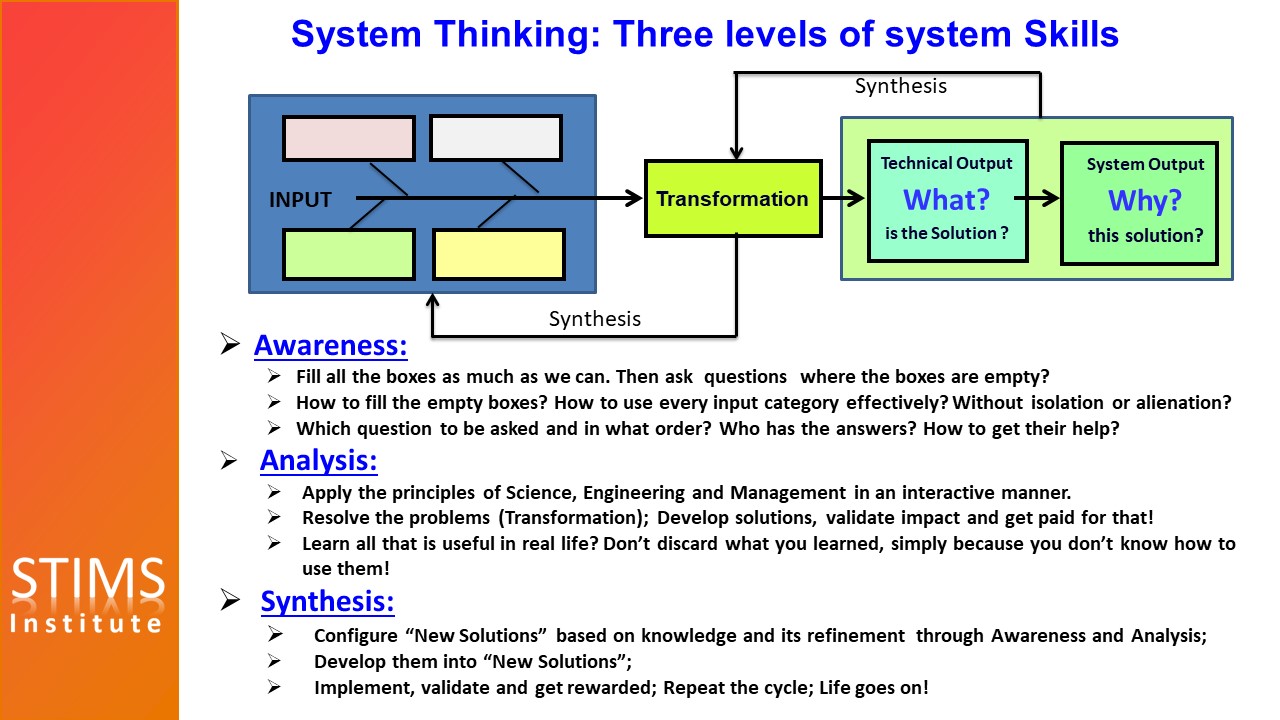
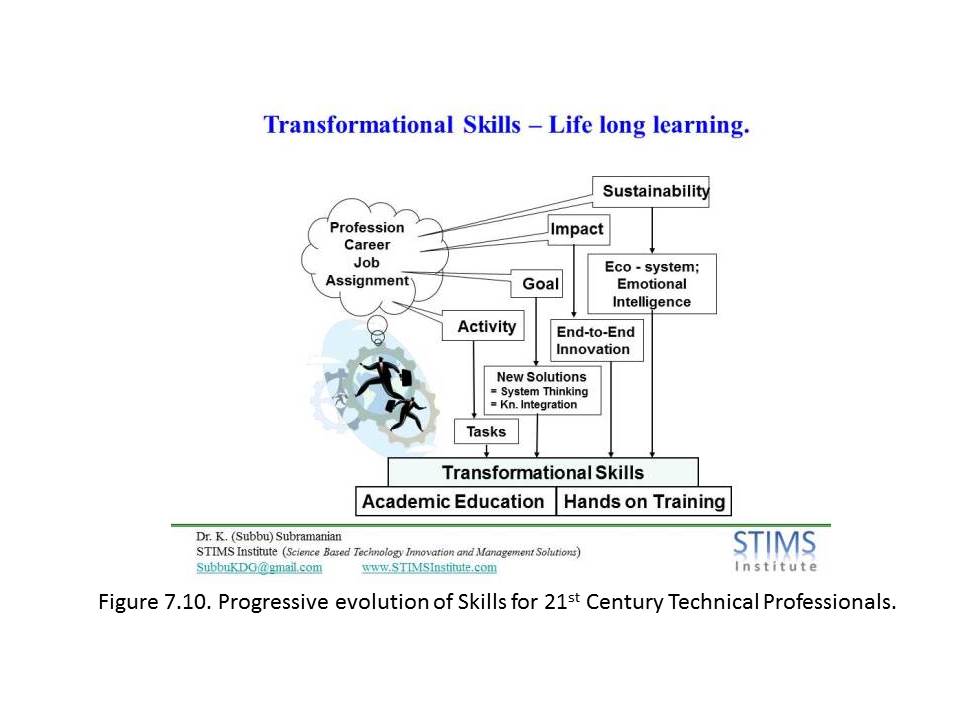
The secret for success can be summatized as a relentless emphasis on System Thinking and Transformational Skills with a determined focus on End-to-End Innovation!
This joint key note talk was presented in two parts by an academic leader with hands on experience in real world innovation and the Knowledge-Integration expertise promoted by the STIMS Institute.
Part 1: Prof. Babu: Real life experience – home grown success in Industry/academia collaboration, which is now seen as the successfully established Advanced Manufacturing Technology Development Center (AMTDC) located at the IIT Research Park, Taramani, Chennai, Tamil Nady, India.
https://stimsinstitute.com/wp-content/uploads/2025/01/copen13_nitc_final-1-prof.-babu.pdf
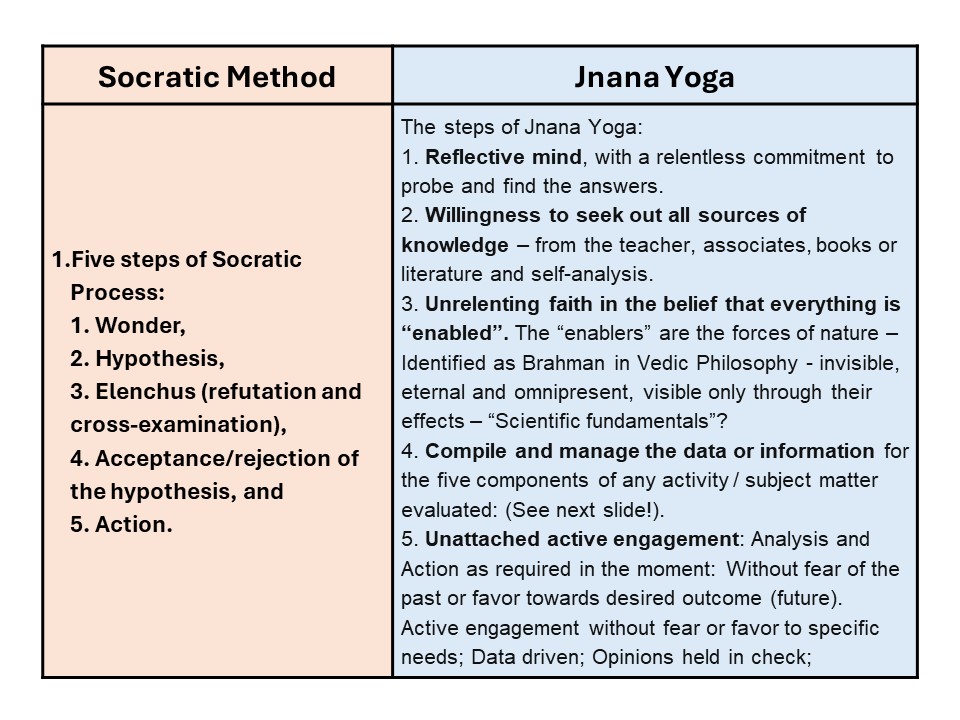
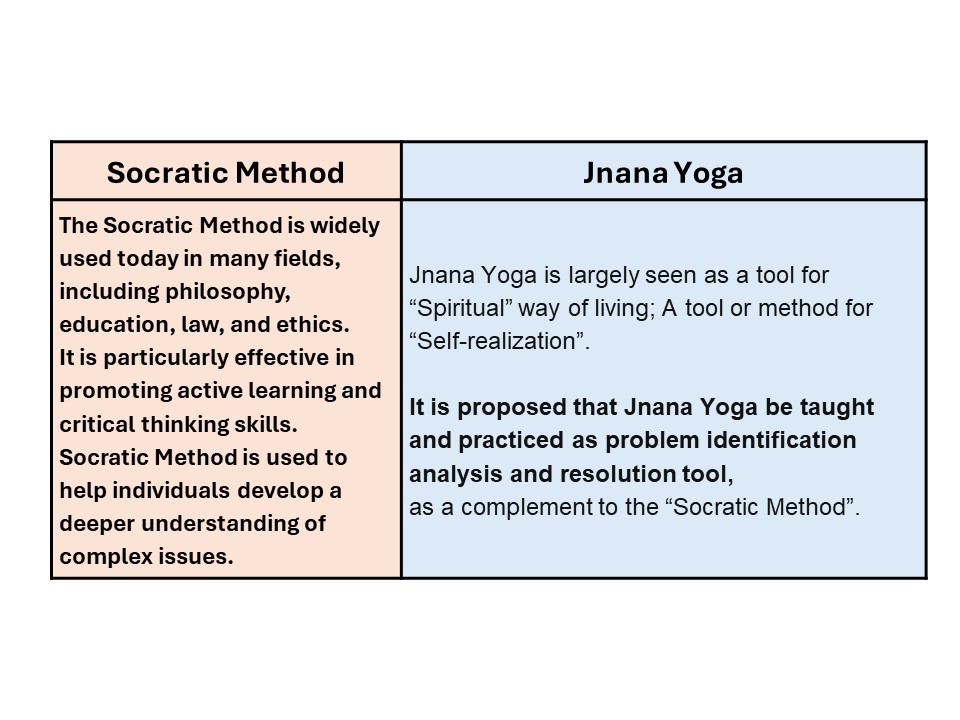
Part 2: Dr. Krishnamoorthy (Subbu) Subramanian: Origins and Strategy (based on over 40 years of experience in inter-industry and Industry / Academia Collaboration). — Strategies for End-to-End Innovation -“System Thinking” and “Transformational Skills”
https://stimsinstitute.com/wp-content/uploads/2025/01/copen-13-key-note-paper-final.pdf
Few images from this event and presentations are included below. We thank the conference organizers, academia and industry partners as well as industry consortium represented by IMTMA and also the fiunding agencies from the Government of India. Special thanks to Mr. N.K. Dhand, Chairman, Micromatic Grinding Technology Ltd. (MGTL) and Mr. Mohanram, adviser, Indian Machine Tool Manufacturers Association (IMTMA) for their unstincting support for this decade long collaboration and outcome.

This successful model, for industry/academia collaboration at AMTDC has also been implemented earlier as an inter-industry collaborative effort inside the industry, by Dr. Subramanian through his industrial working career. We hope there will be more efforts to replicate this successful model and its outcomes by many in the Academia/Industry and Govt. agencucies.
Advanced Manufacturing Technology Development Center (AMTDC) https://amtdc.org/




 STIMS Institute