Careers and Opportunities in Smart Manufacturing – Thought Leaders Talk Series: 12th Sept 2024, 10.00 AM to 12.00 Noon (IST)

ICT Academy is presenting its online webinar learning series through its Thought Leaders Talk Series (TLTS), with an objective of providing industry expert, government bureaucrats sessions on various topics relevant to the emerging trends and technology in the areas of ESDM, AVGC, Smart Manufacturing and Life Sciences.

TLTS webinars will cover a range of technical and informative topics aimed at providing the audience, with the far-sighted information and road map about ESDM, AVGC, Smart manufacturing and Life Sciences. This TLTS webinar series provides an opportunity for Academic Leaders, and Students from across the country, to attend these sessions to gain knowledge on the above mentioned sectors. The details are as follows,

Focus Areas
Building career in Smart Manufacturing sector
Navigating opportunities in Smart Manufacturing sector

Target Audience
— Academic Leaders
— Higher Education Students
Register at: http://www.ictacademy.in/tlts

Are you prepared to succeed in the post-AI world?

Few months ago, I attended a social event “Talk Nerdy to me”, a coffee social organized by MIT-CNC, the MIT Alumni Club in the Bay Area, CA. This is an informal monthly event where MIT Alum in the local area meet for an hour or two over a cup of coffee for chatting and getting to know each other. On this occasion, it was a small group of six or eight of us. During the discussions, concerns about jobs and careers, thanks to all the news about AI, surfaced frequently. For more, please see: https://stimsinstitute.com/2023/09/08/be-different-and-celebrate-it/

This brief interaction was later capsulized into an event, where Dr. Krishnamoorthy (Subbu) Subramanian presented a talk titled: “Are you prepared to succeed in the Post- AI world?”

This presentation can be seen here:

This presentation has several links with relevant information from videos, books, etc.

Video of this presentation can be seen at: https://youtu.be/Va6mrqK4uog

Thanks to Ed. Tau, President MIT CNC for all his support in organizing and hosting the event. Thanks to Serena Chung for all her help in coordinating the event details as well as for the YouTube Video posting.

Please subscribe and also send your feedback.

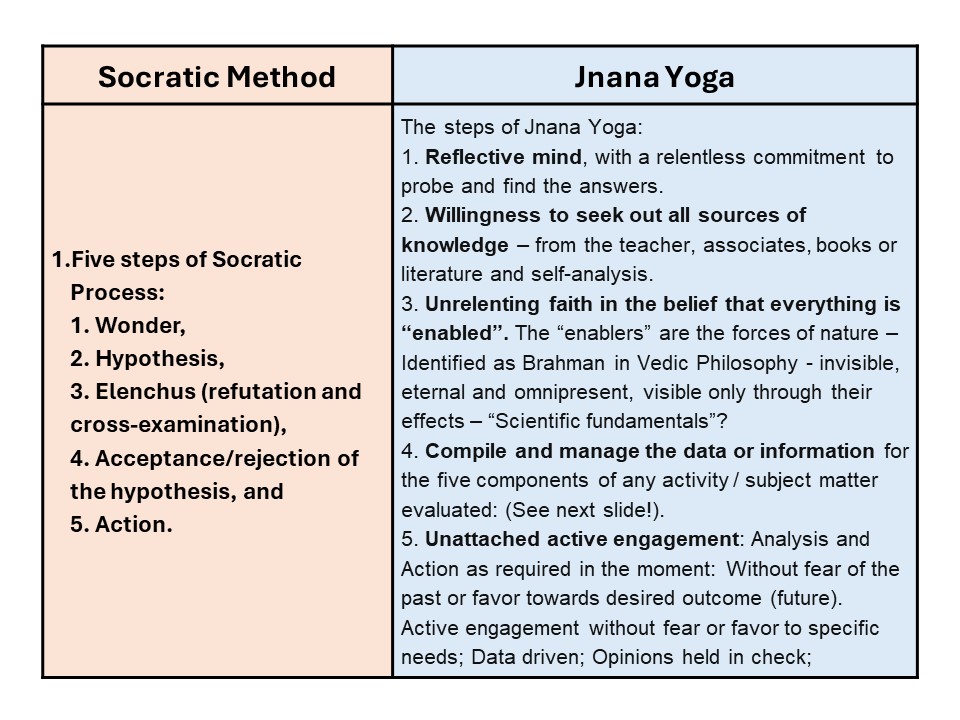
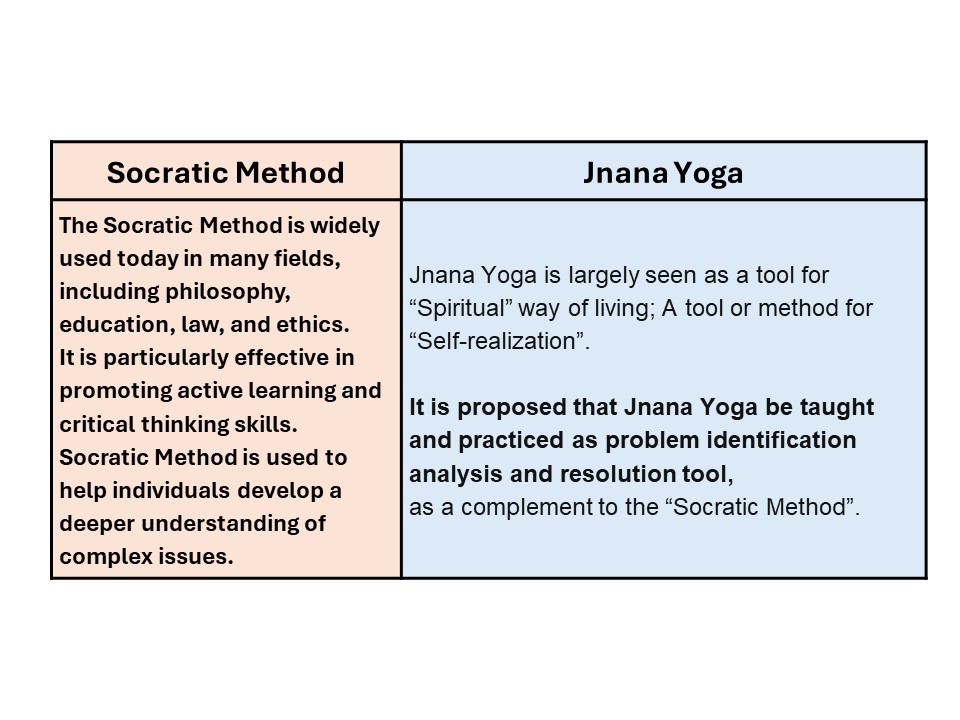
Jnana Yoga fromVedica Philosophy – a complement to the Socratic Mehod.

The word “Yoga” stands for the Union with the Self. It is a process for self-regulation of our Body (Physical Activities), Mind (Emotions) and Intellect (Thoughts and Ideas). Vedic Philosophy emphasizes disciplined action (Karma Yoga), faith in a larger cohesive order in the Universe (Bhakthi Yoga) and reflection and analysis through objectivity and non-attachment (Jnana Yoga). These three pathways for Yoga are interconnected.

We can also see Jnana Yoga as an elegant and logical compliment to the Socratic Method used for reasoning and analysis in all professional activities. This practice oriented approach for Jnana Yoga as a compliment to the Socratic Method are presented in the following slides!

The Misguided War on the SAT – Comments on NYT essay.

The essay The misguided war on the SAT, dated Jan. 7, 24 by Mr. David Leonhardt is a thoughtful and data rich essay on this topic. The essay, the contents and the debate strike a personal chord in my memory lanes!

Being an alumni of MIT, I am genuinely proud and grateful for their thoughtful probing on this matter of Standardized Test scores and their impact on diversity in their student population admitted, as well long term performance or success of students in their performance at college and subsequent career success. Life and success is more than just success in the UG studies, admission to Graduate School or working in a “Prestigious” firm! I hope MIT and other institutions will explore other factors such as good family life (long term relations); success in mentoring others (children, colleagues, fellow professionals) and social responsibility (service to the society, racial/gender cohesiveness) as well as interests in the larger interests of humanity and global issues! How are these factors related to performance in generalized tests such as SAT scores?

Born and brought up in a small village in Tamil Nadu state, India, I attended a local public elementary school and moved to a public countywide school (Board High School). Our education was entirely in Tamil, a local language (rich in history and literature). We were also exposed to English as a special language and to a minimum extent Sanskrit, another ancient and culturally rich language. Our assessment at the end of the final High School year was a common examination in all subjects (Language, Science, Mathematics, History, Geography, etc.). While students were graduated based on the individual’s score, the comparison was across all students in the District level (across several counties). I was ranked first in my school and second at the District level. There were no issues up to this point. Life was as smooth as it can be for a poor rural Indian boy!

Then I proceeded to a prestigious college in a city 12 miles away, which meant travel by train (and some walking) adding up to 3 plus hours of travel each day! But, the bigger shock was that all subjects now were taught in the English language! Without any in-depth preparation in the language, the expectation for learning all subjects in English overnight, was a rude awakening! Somehow all of us students, with similar backgrounds, plugged along. This one year course – called Pre-University Course – is a bridge before proceeding to seek admission for U.G. studies. At the end of this year, students took the prestigious IIT Entrance Examination, offered across India. This is closest to the equivalent of the SAT exam. in USA. The language for this entrance exam. was completely English! On top of that, the questions were entirely “gibberish” as seen by this totally unqualified student – myself – with little exposure to English, and absolutely no exposure to Urban values and issues and way of living as well as national or international matters. Nobody had to assess my test scores. I was certain when I left the examination hall that I had failed the IIT Entrance Examination. It was indeed the case!

Getting ahead in life is as much a matter of chance, as it is due to qualifications and preparations! As a combination of all these, I ended up at Osmania University, Hyderabad, Andhra Pradesh one of the states in India.  I proceeded to study my B.S. in Mech. Engg., being ranked second across the entire University (with several engineering colleges in their jurisdiction). Another set of chances, qualification and preparations resulted in my getting admitted to MIT. In those days students like me with limited knowledge and exposure, did not know that MIT was a prestigious institution, worth persevering for admission as much as possible! I could have easily gone to another place, but for a kind letter during the admission process from Prof. N.H. Cook from MIT (who later became my adviser). It was my father’s wise counsel to stay patient, being respectful to a professor’s letter. This guidance from my father was more from the principle of being respectful to teachers, the ancient wisdom from Eastern philosophy! It had nothing to do with the merits of MIT as an institution of great acclaim! I did exercise patience for two more weeks and in this time my admission to MIT was confirmed! My admission at that time did not require a GRE examination, the standardized test required for all students applying for Graduate Studies! I did not know the reason then, nor do I care to know it now! Past poor performance in the IIT Entrance Exam. or not taking GRE standardized exam., have not held me back in my jobs, career or life as a whole. I have been blessed with opportunities to collaborate with many across the globe including the IIT in India. My rural upbringing, exposure to the ancient wisdoms and culture have helped me to find meaning and purpose in every step as life has unfolded over the years. https://sipractce.com/   https://stimsinstitute.com/about/management-team/

There are many successful faculty at prestigious institutions like MIT, who are not necessarily graduates from the same institution or from similar well known institutions.  Life and performance as a result of education is as much a matter of chance, as it is due to qualifications and preparations! The debate should not be whether or not SAT scores ( as well as GRE scores) are valid and needed. Instead, the approach should be to use SAT score as one of the measures for the admission process as it has been practiced all along. Then the admission officers should diligently explore the background of the outliers, especially those applicants with poor SAT scores, their background and circumstances and also their performance relative to their peer groups in their local settings?

Two questions for the millenials?

Following is a quote from “What Broke the American Dream for Millennials?”
    Wages have cumulatively gone up more than prices since 2019, and that’s especially true for Millennials. Workers who are now between the ages of 29 and 38 saw wages go up an average of 14%, adjusted for inflation, since 2019, according to Center for American Progress’ Duke. 
   That’s a nice bump. But at the same time, Duke notes, those increases may not have sunk in psychologically for workers who also became parents in that time period.
Here are our views on the problems:

First, the “American Dream” is being shattered thanks to our media and the way they report the news. Read carefully the above two paragraphs. The first paragraph suggests a true income growth after adjustment for inflation! That is marvelous, worth celebrating. But, the second paragraph beats down and sours that optimism! It is real life. But, there is an inconsistency in the data used for comparison – first is the case of parents with no child and the second is the case of a family celebrating the joy of having a child in their midst. While it is indeed worth celebrating the child and the joys that come with it, the parents should ask:
What choices they have made or choices they will make in the coming elections, to elect leaders in every position that can sustain and improve their lives?
What skill set has this couple gained since 2019, to remain competitive and gain more capability to command higher wages and benefits?

    “Being a parent in America is very expensive,” he said. Maybe you get a raise and a promotion in your late 20s or early 30s, but the cost of child care more than offsets it. “A strong economy isn’t necessarily going to provide parental leave or affordable housing,” Duke says. “Those are investments that we as a society have to fight for.” Rachael and Garrett feel that pain acutely. Pricing out the cost of daycare for Miles was a reality check that quickly altered their timeline for a second child. “We’d love to have kids back to back,” Rachael says. “I’d love for him to have a partner in crime, but we can’t afford to give him [a sibling] for at least four years.”
It is absolutely true that a strong economy isn’t necessarily going to increase your wages and the convenience one can afford such as better child care, parental leave and affordable housing. They will be the result of two things:
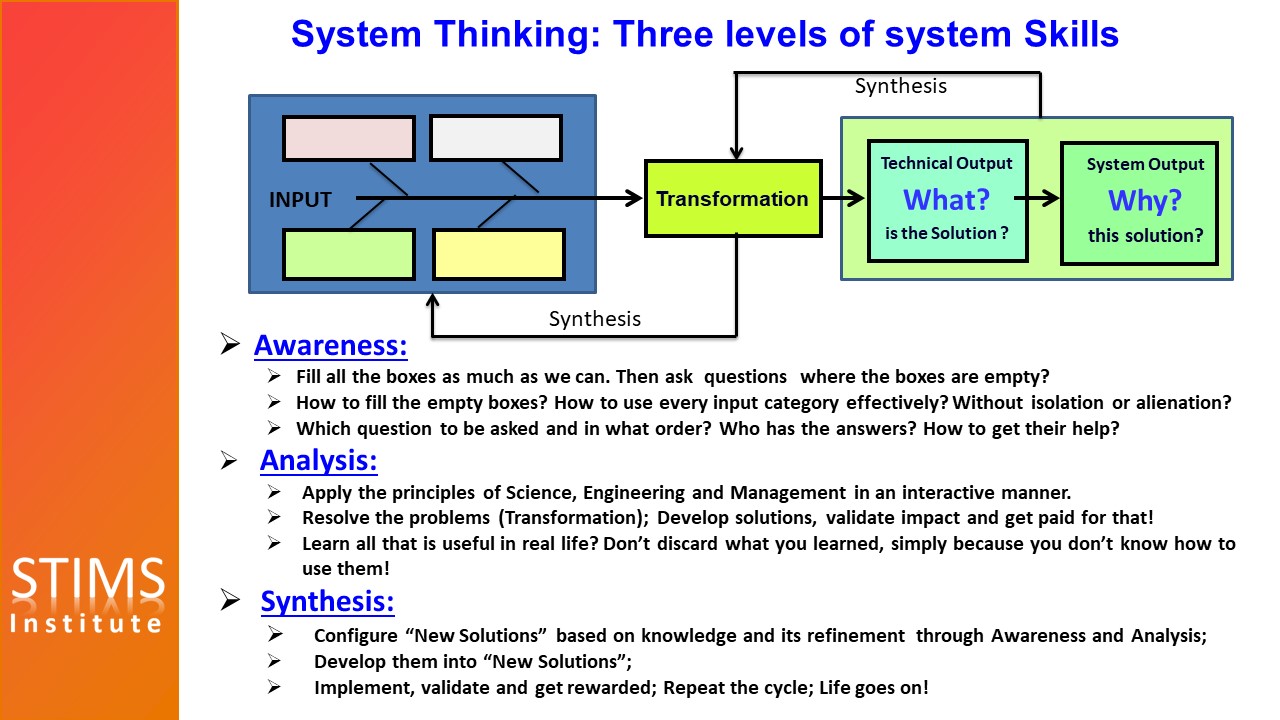
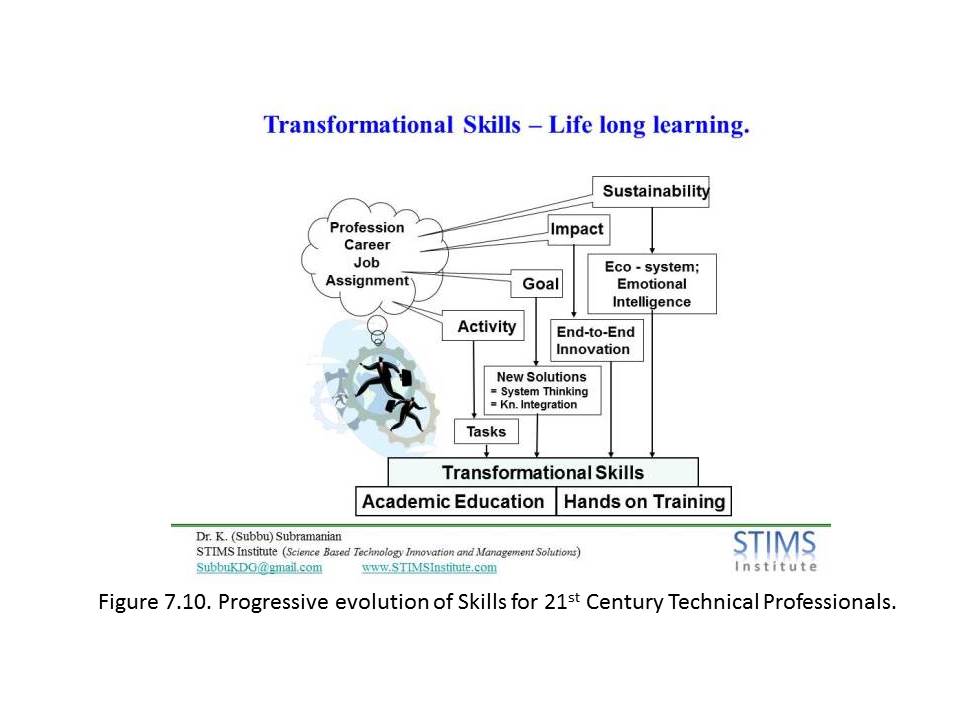
1. Self reliance to constantly improve one’s skills to be seen as a value added worker every day and in every opportunity. These are the System Thinkers and Solution Providers, much needed today.
2. Think on behalf of others, as much as we think of one’s own family and its economics and getting more children. This broader perspective of life and how we contribute to it, is Emotional Intelligence (EI). Such EI should drive every millennial to the polls for the primaries and in the November elections. Electing leaders in every position of governance that will address and serve the needs of millenials, is the best way to get the needed basic resources and equitable sharing of prosperity in a Democracy! 
Electing leaders lacking in moral strength, willing to cheat at all cost and use the court system and “constitution” as their fig leaf, and remain silent partners in the name of mythical party loyalty is a sure way to further break the dream of the millenials and for the generations to follow.

The final question is this:
Are the millennials who are doing well and also those who feel the legitimate doom and gloom (further perpetuated and amplified by the media) ready to address and answer the above two questions?